Anxiety Therapy in Hamilton, Ontario
Quiet the noise. Find your balance. Feel like yourself again.
Anxiety doesn't have to keep making your decisions for you. With in-person anxiety therapy in Hamilton and virtual sessions across Ontario, we help you understand what's beneath your anxiety, build confidence, and feel more in control of your life.
✓ No Waitlist
✓ Free Consultation
✓ In-Person & Virtual Therapy
✓ Covered by Insurance
Does this sound familiar?
You replay conversations long after they're over.
You imagine worst-case scenarios before anything has even happened.
You feel responsible for keeping everyone happy.
You struggle to relax—even when life is calm.
Maybe you've become exhausted trying to manage anxiety on your own.
Living with anxiety can make it feel like your nervous system is always on high alert. It can affect your relationships, work, sleep, confidence, and ability to enjoy the moments that matter most.
The good news is that anxiety is treatable. Therapy can help you understand why anxiety keeps showing up, calm your nervous system, and help you feel more like yourself again.
Read: Signs of high functioning anxiety - Blog
Imagine Having More Room to Breathe
Making decisions without second-guessing every possibility. Being present with the people you care about instead of getting caught in your thoughts. Facing uncertainty without feeling like you need to prepare for every worst-case scenario.
Anxiety therapy isn't about never feeling anxious again. It's about understanding your anxiety, changing the patterns that keep you stuck, and building the confidence to live more fully—even when life feels uncertain.

How Anxiety Therapy Can Help
Anxiety often develops for understandable reasons, even when the patterns it creates are no longer helping you.
At Access Therapy, we look beyond simply managing symptoms. Together, we'll explore what may be contributing to your anxiety and help you develop new ways of relating to your thoughts, emotions, and experiences.
Therapy can help you:
Recognize the patterns that keep worry and overthinking going.
Feel more grounded when your thoughts start racing.
Build confidence in making decisions and setting boundaries.
Respond to uncertainty without needing to control every outcome.
Reduce avoidance and gradually reconnect with the things that matter to you.
Develop a more compassionate relationship with yourself.
Our goal isn't to change who you are. It's to help anxiety take up less space in your life.
Who Is Anxiety Therapy For?
You don't need to have a diagnosed anxiety disorder—or wait until you're overwhelmed—to benefit from therapy.
At Access Therapy, we support people experiencing persistent worry, overthinking, social anxiety, panic, perfectionism, health-related anxiety, and stress that feels difficult to manage. These experiences can often be linked to other intertwined experiences like depression, trauma, stress, grief and pain.
Maybe anxiety is affecting your relationships, your work, your sleep, or your ability to enjoy everyday life. Or maybe everything looks fine from the outside, but internally you're exhausted from trying to hold it all together.
Whatever anxiety looks like for you, you deserve support that takes your experiences seriously.
When the noise gets too loud to ignore.
You don't have to wait until anxiety feels overwhelming to ask for support. And you don't need to have all the answers before reaching out.
Reach out for a free consultation to see if someone on our team feels like the right fit. We'll help you take that first step, at your own pace.
A safe, supportive space. No judgment. Just room to grow.
In-person anxiety therapy in Hamilton | Virtual sessions across Ontario
What to Expect from Anxiety Therapy
Starting therapy can feel like a big step, especially when anxiety has you second-guessing yourself. You might not know where to start, how to explain what you're feeling, or even why you're feeling anxious in the first place. That's okay.
At Access Therapy, we take the time to get to know you, understand what you're experiencing, and explore what you hope will be different in your life.
Together, we'll work toward:
Understanding your anxiety
Explore what triggers your worry, how anxiety shows up in your thoughts and body, and the patterns that may be keeping you stuck.
Finding ways to feel more grounded
Develop practical strategies to navigate overwhelming thoughts, physical tension, and moments of uncertainty.
Building confidence in yourself
Learn to respond to anxious thoughts with greater flexibility, make decisions with less second-guessing, and gradually face situations you've been avoiding.
Creating meaningful, lasting change.
Look beyond managing symptoms to understand the experiences, beliefs, and emotions that may be contributing to your anxiety.
There's no perfect way to do therapy. We'll meet you where you are and move forward together, at a pace that feels right for you.
Our Approach to Anxiety Therapy
Because anxiety is more than just anxious thoughts.
Anxiety doesn't look or feel the same for everyone, and we don't believe therapy should follow a one-size-fits-all formula.
At Access Therapy, our therapists draw from a range of approaches to help you understand your anxiety, explore what's beneath it, and find ways to move forward that feel meaningful to you.
Depending on your needs and your therapist's training, your therapy may include one or more of the following approaches.
Emotion-Focused Therapy &
AEDP
Sometimes anxiety protects us from emotions that feel difficult to face. These approaches create space to explore and process deeper feelings, helping you build emotional understanding and resilience.
EMDR & Brainspotting
Sometimes anxiety is connected to experiences that continue to affect how we feel and respond to the world. EMDR and Brainspotting are different approaches that may help you process difficult experiences, explore underlying emotional responses, and reduce the distress associated with them.
Somatic & Body-Based Therapy
Anxiety isn't just in your thoughts. Explore how stress and anxiety show up in your body, develop greater awareness of your nervous system, and find ways to feel more grounded and connected to yourself.
Parts Work & Internal Family Systems (IFS)
Get to know the parts of yourself that worry, overthink, criticize, or try to stay in control. IFS helps you approach these protective patterns with curiosity and compassion rather than judgment.
Cognitive Behavioural Therapy (CBT) & Acceptance and Commitment Therapy (ACT)
Explore how thoughts, feelings, and behaviours influence anxiety. These approaches can help you recognize unhelpful patterns, respond to difficult thoughts with greater flexibility, and make choices guided by what matters to you.
Expressive Arts Therapy
Not everything we experience can be put into words. Creative approaches offer another way to explore emotions, express difficult experiences, and discover new perspectives on yourself.
You don't need to know which therapy approach is right for you.
Our therapists will work with you to find an approach that fits your experiences, preferences, and goals. Therapy can be practical, exploratory, creative, or a combination of all three.
The focus isn't on fitting you into a particular method. It's on finding what helps you.
Ready to Feel More Like Yourself Again?
The first step toward change can be as simple as a conversation
Take the first step toward quieter thoughts, greater confidence, and a life where anxiety doesn't call the shots.
In-person anxiety therapy in Hamilton | Virtual sessions across Ontario
Meet Our Anxiety Therapists in Hamilton
The right connection can make all the difference.
Opening up about anxiety isn't always easy, especially when you're used to holding everything together on your own.
Our anxiety therapists bring different perspectives, therapeutic approaches, and areas of expertise, but share a commitment to creating a space where you can feel heard, understood, and supported.
Whether you're looking for practical tools to manage worry, a deeper understanding of what's beneath your anxiety, or a little of both, we'll help you find a therapist who feels like the right fit.
Explore our team and take the first step toward feeling more like yourself.
-
![Smiling Black man wearing round glasses and a beige sweatshirt against a mint green watercolor background]()
Jordan Heywood, Registered Social Worker
Intergenerational Trauma & Family-Related Anxiety
Emotional Suppression & Fear of Vulnerability
Family Expectations & People-Pleasing Anxiety
Shame-Based Anxiety & Low Self-Worth
Cultural Identity & Belonging Anxiety
Fear of Conflict & Difficult Conversations
-
![Smiling woman with wavy hair sitting in a room with wall art and a plant in the background.]()
Sabrina Reid-Smith, Registered Psychotherapist (Qualifying)
Trauma-Related Anxiety
Abandonment Anxiety & Fear of Rejection
Health Anxiety & Chronic Illness-Related Anxiety
Attachment Anxiety & Relationship Insecurity
Chronic Pain-Related Anxiety
Life Transitions, Grief & Identity-Related Anxiety
-
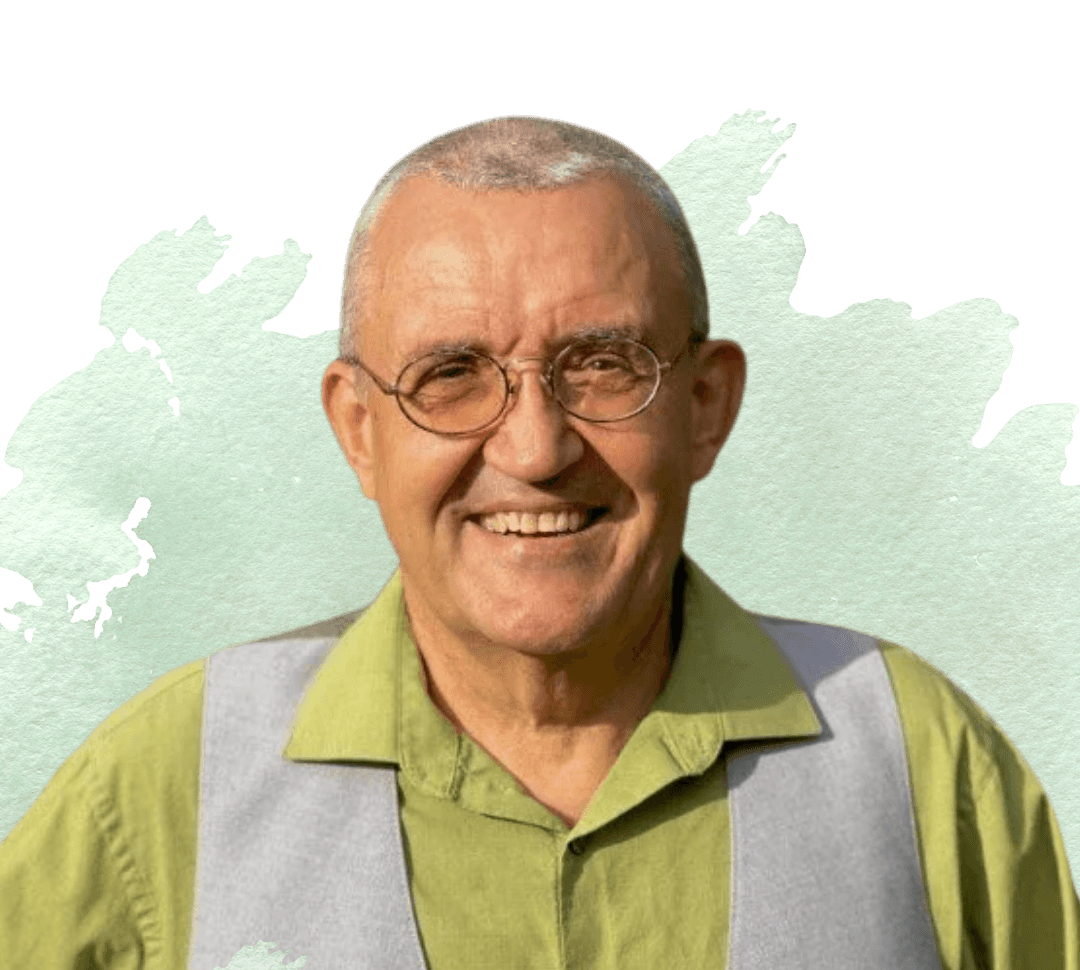
![image: Male therapist with short white hair and round glasses standing outside smiling at the camera]()
Javier Soyka, Registered Psychotherapist
Generalized Anxiety & Overthinking
Emotional Regulation & Overwhelm
Relationship Anxiety & Attachment Issues
Anxiety Related to Past Experiences
Life Transitions & Fear of Change
Difficulty Identifying & Expressing Emotions
-
![image: therapist with long brown hair and glasses sitting on a chair smiling warmly at the camera]()
Anastasia Vuckovic, Registered Psychotherapist
Anxious Attachment & Relationship Anxiety
Fear of Abandonment & Rejection
People-Pleasing & Boundary-Setting Anxiety
Emotional Overwhelm & High Sensitivity
Breakup Anxiety & Relationship Transitions
Social & Interpersonal Anxiety
-
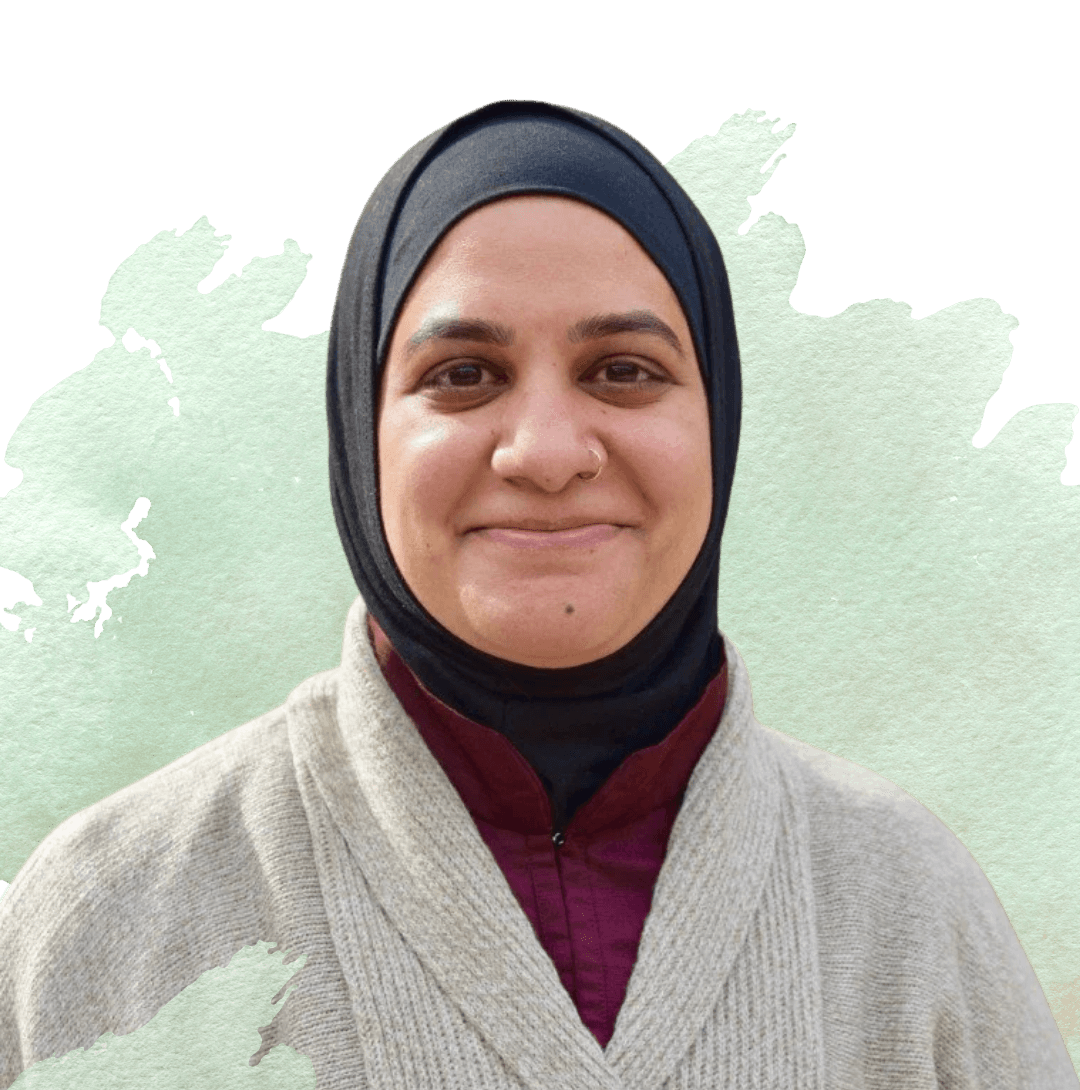
![image: female Muslim therapist wearing a black headscarf smiling at the camera]()
attia zaidi, Registered Social Worker
Chronic Anxiety & Persistent Worry
Nervous System Dysregulation & Hypervigilance
Somatic Anxiety & Mind-Body Disconnection
Attachment-Related Anxiety
Existential Anxiety & Loss of Meaning
Stress-Related Anxiety & Difficulty Relaxing
-
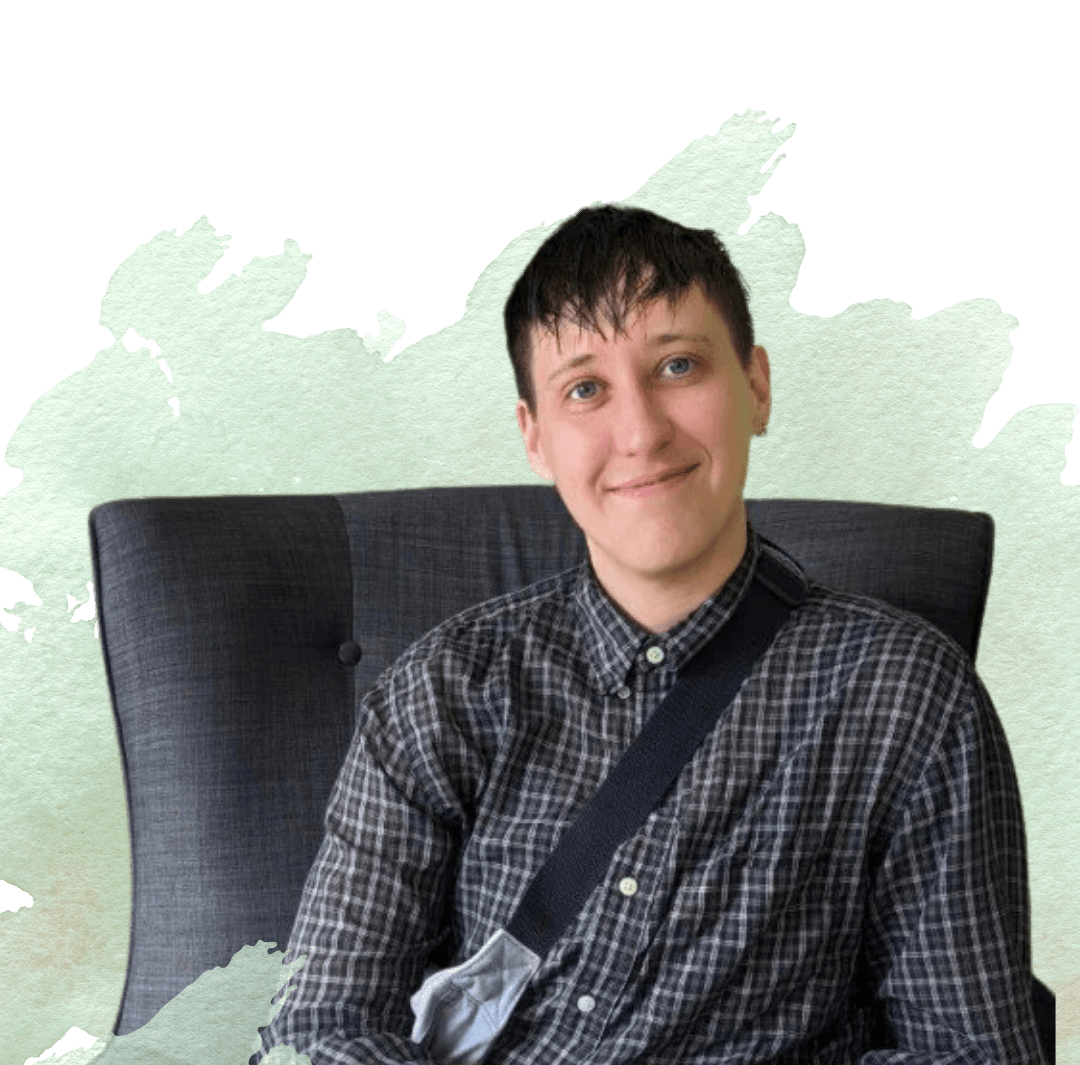
![A person with short dark hair and a slight smile, sitting on a cushioned chair indoors, wearing a plaid shirt and carrying a shoulder bag.]()
Marion Roberts, Registered Social Worker
Trauma-Related Anxiety & Hypervigilance
Shame, Guilt & Self-Critical Anxiety
Neurodivergence-Related Anxiety
Grief-Related Anxiety & Fear of Loss
Anxiety Related to Systemic Oppression & Marginalization
Uncertainty, Control & Psychological Inflexibility
-
![Female therapist with blonde hair smiling at the camera]()
Erin Saunders, Registered Psychotherapist
Postpartum Anxiety
Maternal Anxiety & Motherhood-Related Stress
Parenting Anxiety & Parental Overwhelm
Relationship Anxiety & Romantic Insecurity
Anxiety Related to Relationship Trauma
Anxiety Related to Non-Traditional Relationships
-
![Portrait of a smiling woman wearing round glasses, hoop earrings, a pendant necklace, and a gray shirt against a mint-green watercolor background]()
Caitlin Moses, Registered Psychotherapist (Qualifying)
Life Transition Anxiety
Identity-Related Anxiety & Self-Discovery
Social Belonging Anxiety & Fear of Not Fitting In
Cultural Adjustment & Immigration-Related Anxiety
Shame-Based Anxiety & Fear of Judgment
Creative Identity & Performance Anxiety
-
![Portrait of a smiling woman with shoulder-length brown hair wearing a white sweater and collared shirt against a mint green watercolor background]()
Elizabeth Sangster, Registered Psychotherapist (Qualifying)
Unhealthy Coping Patterns
Chronic Stress & Persistent Worry
Emotional Avoidance & Anxiety
Self-Criticism, Shame & Anxiety
Emotional Overwhelm & Self-Regulation
Low Self-Worth







A Private, Comfortable Space to Feel at Ease
Starting anxiety therapy can feel intimidating, especially when you're not sure what to expect. We want you to feel comfortable and supported from the moment you arrive.
Our Hamilton therapy rooms offer a welcoming, private setting where you can slow down, speak openly, and explore what's on your mind. Your privacy matters to us, and your sessions are treated with care and confidentiality, in accordance with professional and legal requirements.
We also know that finding a new place can bring its own worries. To make your first visit easier, we've put together parking, building entrance, and arrival instructions so you can plan ahead and know exactly where to go.
In-person anxiety therapy in Hamilton, Ontario.
The Details about Anxiety Therapy at Access Therapy
You’re ready for change, but you need some more information about us and our mental health services first.
-
✔ In-Person Therapy Hamilton, Ontario
✔ Virtual Therapy Across Ontario
✔ No Waitlist — Start SoonOur office is a calm, welcoming space designed to support comfort, presence, and grounded therapeutic work.
-
Individual Therapy (50 minutes): $150–$200
Rates reflect therapist training and experience.Affordable options exist with the supervised interns on the team. Reach out for more information. CONTACT US
Most clients use extended health insurance benefits, and receipts are provided after each session.
Frequently Asked Questions
-
If anxiety is affecting your daily life—like your sleep, relationships, work, or ability to relax—it may be a good time to seek support. Persistent worry, panic, overthinking, or physical symptoms (like a racing heart or tight chest) are all common signs. Anxiety is highly treatable, and therapy can help you understand and manage it more effectively.
-
Anxiety therapy is a structured, personalized process that helps you understand your thoughts, regulate your nervous system, and shift patterns that keep anxiety going. Sessions often include a mix of conversation, practical tools, and reflection, with techniques you can apply in daily life.
-
No. You can book directly with us, and therapy is covered by many extended health insurance plans.
-
Everyone's journey is different. Some people find relief within a few sessions, while others choose longer-term therapy to work through deeper patterns. Together, you'll decide what feels right for you.
-
Yes. We offer secure online therapy across Ontario, as well as in-person appointments at our gorgeous Hamilton office.
-
That's exactly what our free general consultation is for. We'll learn about what you're looking for and help match you with a therapist who fits your goals and personality.
Psychedelic-Assisted Therapy
If you’ve tried therapy, medication, or other approaches and still feel caught in ongoing anxiety, panic, or OCD, you’re not alone. Psychedelic-assisted therapy is an emerging, research-informed option that may support some people as part of a structured therapeutic process. If you’re wondering whether this approach could be right for you, we’re here to explore that with you—carefully and collaboratively.
Life Can Feel Different When Anxiety Isn't in Charge
The first step toward change can be as simple as a conversation
Whether you're ready to make a change or simply curious about what therapy could look like, we're here to meet you where you are.
In-person anxiety therapy in Hamilton | Virtual sessions across Ontario
Let’s Work Together
If you're interested in working with us, complete the form with a few details about what you’re experiencing. We'll review your message and get back to you within 48 hours.

Together, we’ll help you move from managing anxiety to understanding and transforming what drives it
Understanding Anxiety & Anxiety Therapy
A Deeper Dive
Anxiety is a natural stress response, but for some, it can become overwhelming and persistent, leading to an anxiety disorder. Symptoms can vary widely but often include excessive worry, restlessness, irritability, muscle tension, and difficulty concentrating.
These symptoms can significantly impact your quality of life, making it challenging to maintain relationships, perform at work or school, and enjoy activities you once loved.
The Importance of Seeking Anxiety Therapy
Therapy can be an important part of anxiety treatment for several reasons. It provides a safe and non-judgmental space to explore your thoughts, feelings, and behaviours related to anxiety.
Plus, an experienced anxiety therapist can help you identify the root causes of your anxiety and develop coping strategies to manage it effectively. They can teach you valuable skills like relaxation techniques, cognitive restructuring, and stress management, which can be applied in your daily life.

What is Anxiety?
Fear and worry are normal human emotions that everyone experiences at times. They are our body's natural response to stress, preparing us to face a perceived threat or danger. We need some fear, worry or anxiety in our lives because it serves to keep us safe. But for some people this fear and worry can become overwhelming and persistent, leading to an anxiety disorder.
Anxiety can manifest in a variety of ways, and symptoms can vary from person to person. Some common symptoms of anxiety include:
Excessive worrying about everyday events or activities.
Restlessness, like feeling on edge, unable to relax or sit still.
Irritability, feeling easily annoyed or agitated.
Muscle tension or aches.
Difficulty concentrating, and trouble focusing on tasks or making decisions.
Fatigue, feeling tired or lacking energy, even after a full night's sleep.
Sleep disturbances, including difficulty falling or staying asleep, or restless, unsatisfying sleep.
For a more detailed explanation of anxiety disorders, their symptoms, and treatment options, explore the Centre for Addiction and Mental Health's guide to anxiety.

Types of Anxiety Disorders
Anxiety disorders are a group of mental health conditions characterized by excessive fear, worry, or apprehension. These disorders can significantly impair a person's daily life and functioning.
-
GAD is characterized by persistent and excessive worry about a wide range of everyday things. People with GAD often anticipate disaster and are overly concerned about health issues, money, family problems, or difficulties at work. This worry is often disproportionate to the actual situation and can be difficult to control.
A GAD thought might sound like “I need to work really hard at my job otherwise I’ll get fired, I won’t be able to find another job and I’ll go broke.”
-
Social anxiety disorder, also known as social phobia, is characterized by an intense fear of social situations.
People with social anxiety disorder may fear being judged, criticized, or embarrassed in social settings. This fear can be so debilitating that it interferes with work, school, or other everyday activities.
A social anxiety thought might sound like: “If I talk I’ll say something stupid and everyone will think I’m dumb and they’ll laugh at me behind my back.”
-
Panic disorder is characterized by recurrent panic attacks, which are sudden episodes of intense fear or discomfort. Panic attacks can include symptoms like heart palpitations, sweating, trembling, shortness of breath, and a feeling of impending doom.
People with panic disorder often worry about when the next attack will occur and may avoid certain places or situations as a result.
Often panic attacks are characterized by the intense thought of “I’m dying.”
-
Specific phobias are characterized by an intense, irrational fear of a specific object or situation. Common phobias include fear of heights (acrophobia), fear of spiders (arachnophobia), fear of flying (aviophobia), fear of open, crowded places (agoraphobia), and fear of enclosed spaces (claustrophobia).
People with specific phobias may go to great lengths to avoid the object of their fear, leading to significant distress and impairment in daily life.
-
OCD is characterized by obsessions, which are unwanted, intrusive thoughts, images, or urges that cause anxiety or distress, and compulsions, which are repetitive behaviours or mental acts performed in response to the obsessions.
People with OCD may feel driven to perform these compulsions to alleviate their anxiety, even though they know the obsessions are irrational.
-
PTSD can develop after experiencing a traumatic event such as a natural disaster, serious accident, combat, or assault. Symptoms may include flashbacks, nightmares, severe anxiety, and uncontrollable thoughts about the event.
People with PTSD may avoid situations or places that remind them of the trauma and may have difficulty sleeping or concentrating.
-
Separation anxiety disorder is most commonly diagnosed in children, but it can also occur in adults. It’s characterized by excessive anxiety about separation from home or from people to whom the individual has a strong emotional attachment.
Symptoms could include excessive distress when anticipating or experiencing separation, persistent worry about losing the attachment figure, and reluctance or refusal to go out or sleep away from home.
Not only are anxiety disorders highly treatable, but seeking therapies for anxiety is often the first step toward managing and overcoming these challenges!
Benefits of Therapy for Anxiety
Therapy can be incredibly beneficial for individuals struggling with anxiety disorders, helping manage anxiety symptoms and improve overall mental health and well-being.
-
Managing Anxiety Symptoms
Therapy can provide a safe and supportive environment for individuals to explore their thoughts, feelings, and behaviours related to anxiety.
Through various therapeutic techniques, therapists help individuals identify and challenge negative thought patterns and beliefs that contribute to their anxiety. By gaining insight into these patterns, individuals can learn to replace them with more positive and realistic thoughts, reducing their overall anxiety levels.
-
Learning Coping Strategies
Therapy teaches individuals practical coping strategies to manage their anxiety symptoms. These strategies could include relaxation techniques, such as deep breathing or progressive muscle relaxation, mindfulness practices, and stress management skills.
By learning these techniques, individuals can better manage their anxiety in daily life and reduce the impact it has on their well-being.
-
Improving Overall Mental Health
But therapy isn’t just about managing symptoms; it's also about improving overall mental health and well-being. Therapy can help individuals develop a deeper understanding of themselves, improve their self-esteem and self-confidence, and build healthier relationships.
The Role of Therapy in Anxiety Treatment
Therapy provides a structured and supportive environment for you to work through your anxiety and develop the skills you need to manage it effectively.
It can also help you address any underlying issues that may be contributing to your anxiety, such as past traumas or unresolved conflicts.
Types of Therapy for Anxiety
Cognitive Behavioural Therapy (CBT)
Cognitive Behavioural Therapy, or CBT, is one of the most widely used and effective therapies for anxiety disorders, focusing on identifying and changing negative thought patterns and beliefs that contribute to anxiety.
By replacing these thoughts with more realistic and positive ones, individuals can reduce their anxiety levels and improve their overall mental health.
CBT also teaches individuals practical skills to manage their anxiety, such as relaxation techniques and problem-solving skills. Cognitive therapy for anxiety helps individuals with anxiety disorders by
Identifying negative thought patterns: Cognitive therapists work with individuals to identify negative thought patterns and beliefs that contribute to their anxiety. These may include catastrophizing (expecting the worst), overgeneralizing (making broad assumptions based on limited evidence), and black-and-white thinking (seeing things as all good or all bad).
Challenges unhelpful thoughts: Once negative thought patterns are identified, cognitive therapists help individuals challenge these thoughts and develop more balanced and realistic ways of thinking. This can help reduce anxiety and improve overall mental well-being.
Changing behavioural patterns: Cognitive therapy also focuses on changing behavioural patterns that contribute to anxiety. Therapists may help individuals gradually confront feared situations (exposure therapy) or practice relaxation techniques to reduce anxiety symptoms.
Developing coping strategies: Cognitive therapy teaches individuals coping strategies to manage anxiety symptoms when they arise. These may include relaxation techniques, problem-solving skills, and thought-stopping techniques to interrupt negative thought patterns.
Exposure Therapy
Exposure therapy is another effective approach for treating anxiety disorders, particularly phobias and PTSD. It involves gradually exposing individuals to the source of their fear or trauma in a safe and controlled environment.
Through repeated exposure, individuals can learn to confront and manage their fears, reducing their anxiety over time.
Dialectical Behaviour Therapy
This combines cognitive-behavioural techniques with mindfulness practices to help individuals regulate their emotions and improve their interpersonal skills.

What to Expect at Your First Session of Anxiety Therapy
During your first session of anxiety therapy, your therapist will likely conduct an initial assessment to gather information about your symptoms, medical history, and goals for therapy. They may ask you to complete questionnaires or assessments to help determine the best course of treatment for your anxiety.
Your anxiety therapist will also discuss their approach to therapy and what you can expect from the treatment process. They may outline a treatment plan tailored to your specific needs and goals and discuss the frequency and duration of your therapy sessions.
It's important to be open and honest with your therapist about your symptoms and concerns to ensure you receive the most effective care possible.
Take the first step today toward managing your anxiety and reclaiming your life at Access Therapy!
Ready to Feel More Like Yourself Again?
The first step toward change can be as simple as a conversation
Take the first step toward quieter thoughts, greater confidence, and a life where anxiety doesn't call the shots.
In-person anxiety therapy in Hamilton | Virtual sessions across Ontario